Long-term changes in demography and genetic diversity - Rio Grande Silvery Minnow
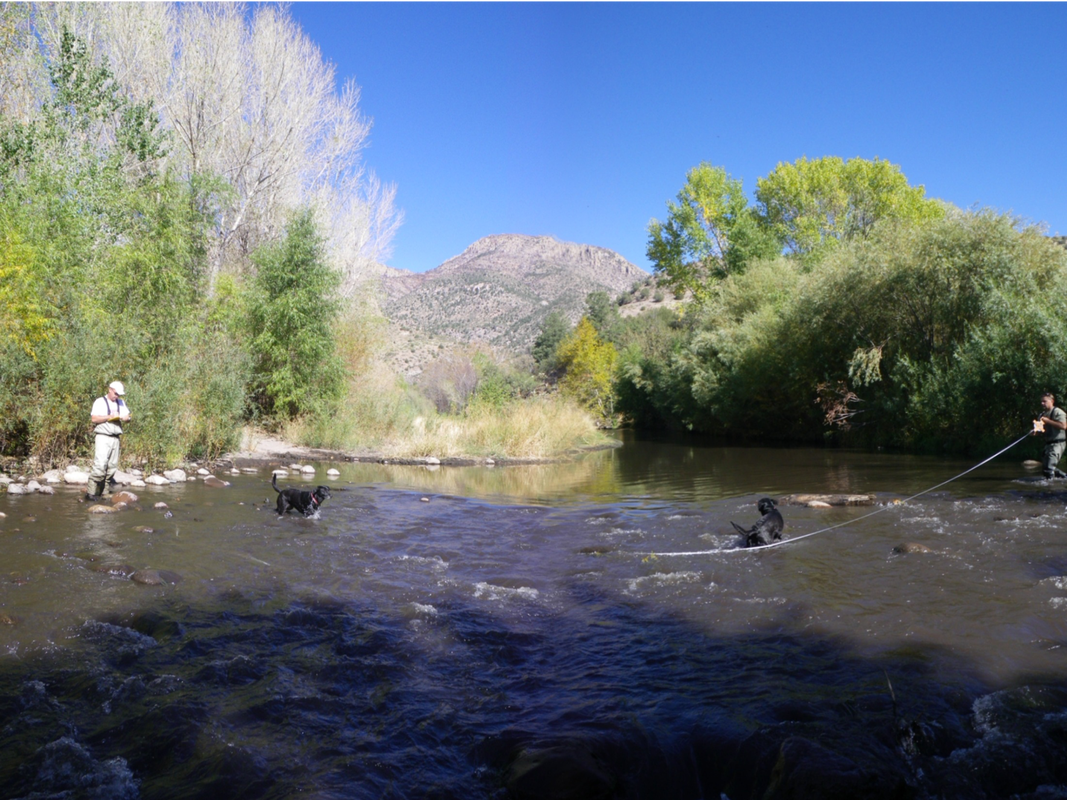
In 1998, TACL began one of the longest-running conservation genetics studies ever done. The work focuses on the Rio Grande Silvery Minnow Hybognathus amarus. We use molecular markers to track genetic diversity, effective population size, and genetic consequences of demographic fluctuations, captive propagation, and population supplementation every year. This work is closely integrated with recovery efforts conducted by the U.S. Fish and Wildlife Service, Bureau of Reclamation, and other partners responsible for managing the species throughout its remaining range in the Middle Rio Grande in New Mexico. A central finding is that, despite severe demographic declines and restriction to less than 5% of the species' historical range, the Rio Grande Silvery Minnow retains surprisingly high levels of genetic diversity relative to what would be expected for such a narrowly distributed endangered fish. Long-term genetic monitoring provides an essential tool for evaluating recovery actions and guiding adaptive management of the species. Our studies showed that captive propagation and augmentation programs generally succeeded in preserving genetic variation present in the wild population and helped buffer the loss of diversity during periods of extreme drought and population bottlenecks. Long-term analyses also documented substantial year-to-year variation in effective population size and reproductive success, highlighting the importance of maintaining large spawning populations and restoring river processes that support natural recruitment. Overall, the genetic monitoring program demonstrated that conservation hatchery operations can be managed in a manner that minimizes genetic risks while contributing to species persistence, and it provided an empirical framework for adaptive management of one of North America's most endangered freshwater fish.
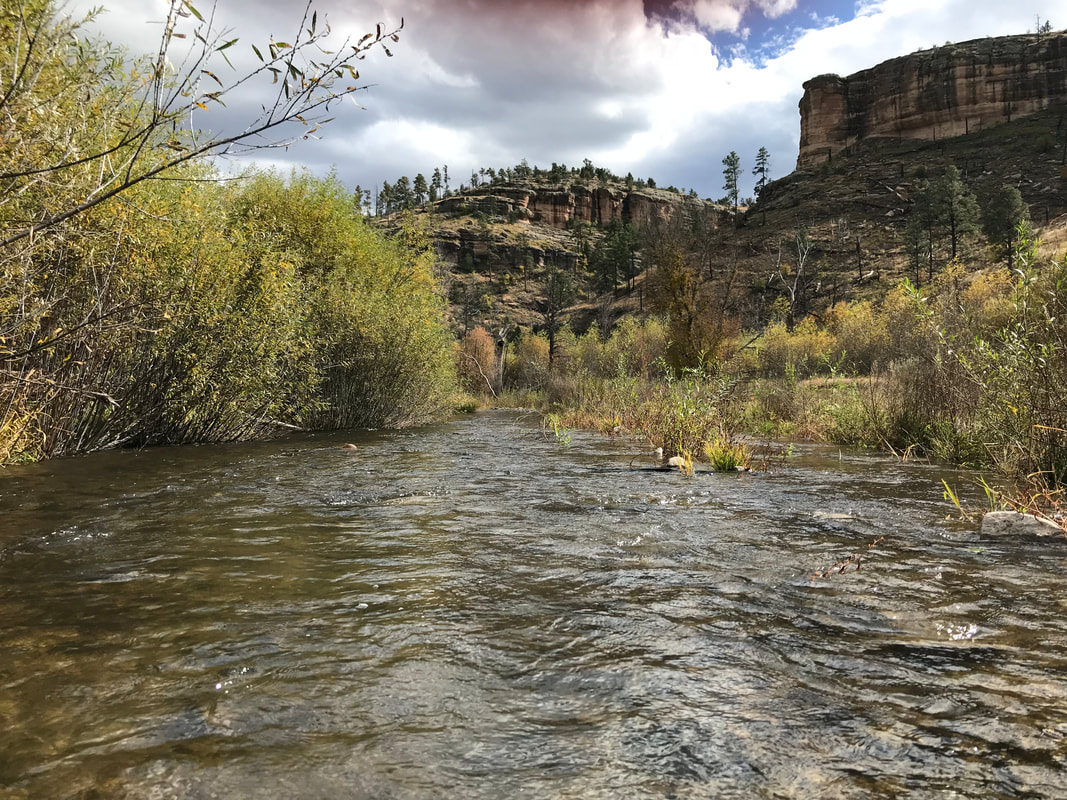
The Rio Grande Futures Partnership Water scarcity is one of the greatest environmental challenges facing the western United States, where prolonged drought, warming temperatures, and reduced snowpack are straining rivers that support both people and ecosystems. The Rio Grande, a lifeline for millions of people and home to endangered fish and forests, is experiencing especially severe stress. Water demands for agriculture, urban areas, and interstate water agreements often leave little for the river itself, resulting in dry riverbeds and degraded habitats. This project brings together scientists, conservation groups, and water managers to answer a critical question: how can we sustain river ecosystems with much less water? Our team is studying how different water flow patterns, especially those designed to mimic natural spring floods, affect fish, plants, soil, and carbon storage in the river and its floodplain. Experiments will include field monitoring, laboratory analyses, and outdoor test systems called mesocosms that simulate river-floodplain interactions under different conditions. We track the survival of cottonwood seedlings, the development of aquatic food webs, and how organic carbon moves and is stored across the riparian corridor. These findings will be used to improve a water management model called the Rio Grande Futures Model, which helps predict the ecological outcomes of various water delivery strategies. The model will be tested with water managers to explore trade-offs and design environmental flow strategies that balance ecological benefits with agricultural and municipal water demands. Together, these efforts will help restore critical habitat, support endangered species, and ensure the long-term health of a vital river system in a time of growing water scarcity.